Festivals have long been a vibrant part of our culture, music, and celebration. They have a unique way of joining together communities and creating lasting memories that stay with us for a lifetime. From the iconic, sprawling fields of Glastonbury to the high-energy streets of the Notting Hill Carnival, the UK hosts an array of events that have become an integral part of our musical tradition.
While these events have flourished as spaces of joy, the reality of accessible festivals often falls short of the dream. Our recent research showed a startling statistic: two-thirds of our disabled audience said they would love to go to a festival but feel there are simply too many barriers in the way. We want to shed light on the barriers that continue to persist and advocate for a more inclusive landscape. Are festivals actually accessible for disabled people? Let us find out what the community has to say.
The Hard Truth: The Reality of "Accessible Festivals"
When we asked our community about their lived experiences, the same pain points were mentioned repeatedly. It is not just about the music; it is about the entire journey, from the moment you try to buy a ticket to the reality of navigating a muddy field.
The primary hurdles include the convoluted process of applying for personal assistant (PA) tickets, limited seating options, inaccessible flooring, and a general lack of detailed access information. Here is what some of our disabled friends had to share about their hunt for accessible festivals:
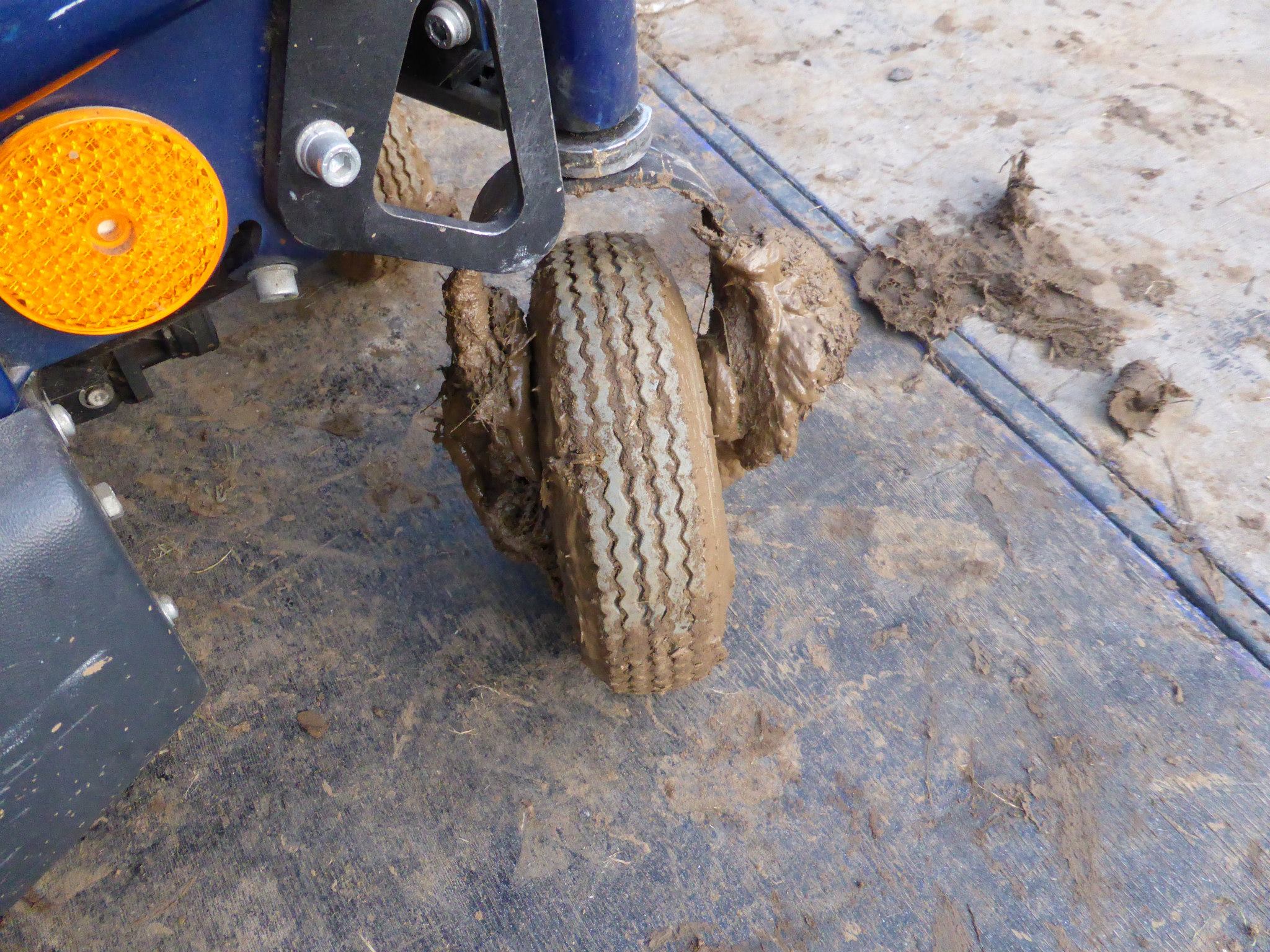
The reality of muddy grounds for many wheelchair users!
"The seating can be so far from the stage it can be hard to see. If the weather is wet, it is also hard to wheel about in the mud."
"There can be a lack of disabled parking and actual accessible toilets. It feels like an afterthought."
"I am deaf and I find there is no customer awareness from staff. It is so frustrating that I now choose not to attend."
"A lot of festivals are not wheelchair accessible. I also need a source of oxygen to fill up my tanks, and that is almost impossible to find."
From this feedback, it seems that there is a lot of concern from the community around accessibility at festivals – not only in order to enjoy the event, but also to do the basics like getting around and going to the toilet.
Recently, we spoke with a friend of Sociability, Danielle, who perfectly summarised the frustration many feel. Danielle says: "I go to festivals a lot and it is always the same problems. More wheelchair users need to be involved in running and setting up these festivals. So many times I have had to be physically helped to the toilet as my wheelchair simply will not fit in."
It’s clear that more needs to be done by the festival industry across a range of areas to make these events more accessible, including in event planning and delivery.
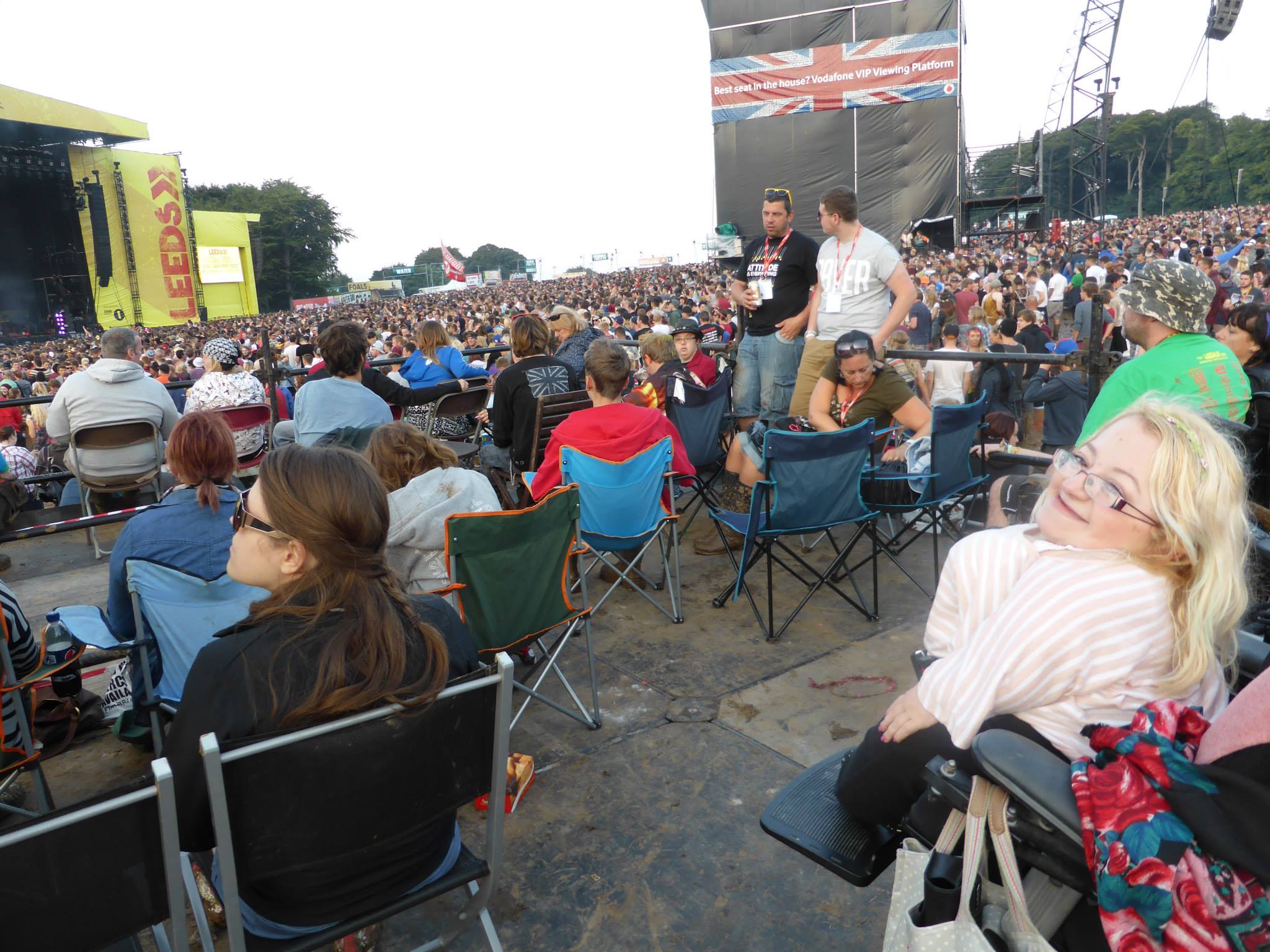
Image of our past colleague, Gem 10 years ago at Leeds Fest!
The Other Side: Inside the Industry
While the barriers are significant, there are people working hard from the inside to create truly accessible festivals. We were lucky enough to speak with Tamsin Willis, a disabled person who has spent her career working within the festival production space.
Tamsin explains: "I was just a kid but I started working at festivals. After my disability, I went back to work and was in charge of production at the festival, dealing with artists and making sure the whole event ran okay. I ended up having staff and being in charge, and I had to make a lot of changes myself. For example, we had to buy a wooden floor for the onsite office so I could actually get in and do my job."
Accessibility became a passion for Tamsin, who worked to make information readily available. She notes that while progress is happening, the basics are still lacking. Tamsin says: "Accessible portaloos cost a lot more than regular ones and there is a shorter supply. Many festivals get one or two at each end of the site. This is simply not enough for the number of people who need them."
How to Find Truly Accessible Festivals
If you are determined to head to a festival this summer, information is your greatest tool for empowerment. Tamsin shares her top tips for planning a successful trip.
1. Scour the Official Website
The best thing to do is go directly to the festival's website. Hopefully, they have a dedicated and detailed accessibility page. If you find the information is thin, find their info email address and send a direct list of questions. Any major event claiming to be an accessible festival should offer a viewing platform, but be aware these are often small and located near the sound tent.
2. Use Social Media for Lived Experience
Mainstream websites often paint a "best-case scenario." Search social media for hashtags related to the festival and accessibility. Reading about someone else's experience of the shuttle bus or the campsite can give you a much more realistic idea of what to expect.
3. Check the Surrounding Area
Many people forget that the festival experience includes the journey there and the "recovery" days after. This is where the Sociability app comes in. If you are staying in a nearby town or using a local train station, check the app for detailed access information on local cafés, pubs, and restaurants. Knowing where you can find a truly accessible bathroom before heading into the noise of the festival can significantly reduce your stress levels.
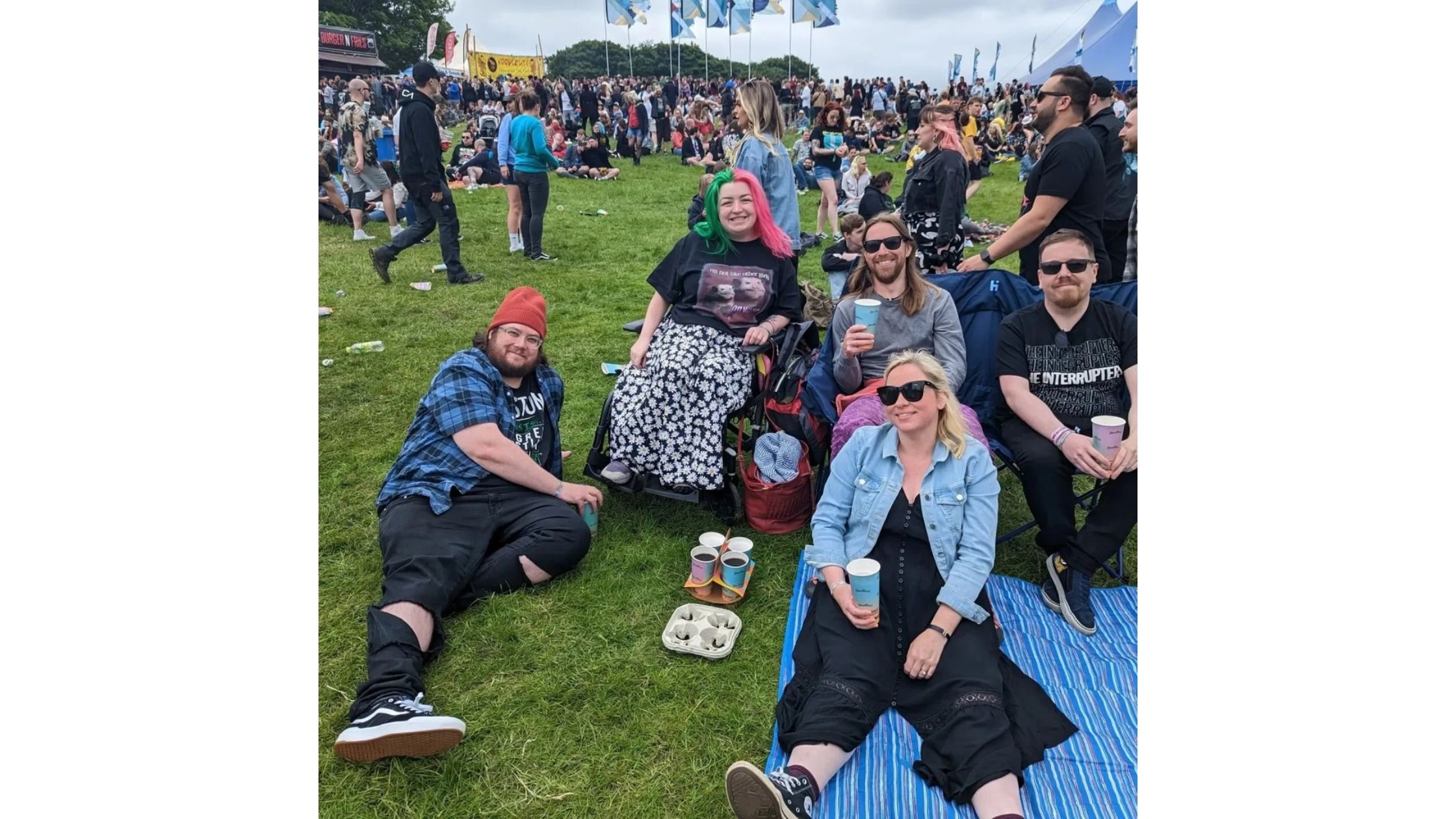
Danielle and friends enjoying a festival!
The Future: A Call for Change
So, are festivals accessible? Our answer is: not completely. While change is coming, it is moving at a snail's pace. The uncertainty of whether a venue will actually be accessible puts off thousands of music-loving disabled people every year.
At Sociability, we believe that information is the key to reclaiming these spaces. We want to see a future where:
Wheelchair users are consulted during the site-mapping phase, not just as an afterthought.
Sensory-friendly zones are a standard requirement, providing a refuge from the overwhelming noise and lights.
Transparent data is provided for every aspect of the site, from the gradient of the ramps to the specific locations of charging points for powerchairs.
We hope that in time, organisers will provide as much information as possible so that disabled people and their friends can enjoy a summer of making lasting memories without the "access fail" looming over them.
FAQ: Accessible Festivals
1. How do I apply for a Personal Assistant (PA) ticket?
Most UK festivals use a system like the "Access Card" or require a copy of your PIP award letter. You usually have to buy your own ticket first and then apply for the free PA ticket through a separate form. Always check the deadline, as these often close weeks before the event.
2. What should I pack for a "muddy" festival?
If you are a wheelchair user, consider "Wheelblades," which are skis for your castors, or a power add-on to help with traction. Always bring a heavy-duty poncho that covers both you and your chair, and do not forget an extra battery for your phone or powerchair.
3. Are there sensory-friendly festivals?
Yes, some smaller boutique festivals are now introducing "calm spaces." Larger festivals like Glastonbury have also improved their sensory provision, but it is always worth emailing the organisers to ask for the specific location of quiet zones.
Accessibility shouldn't be an afterthought in event planning. Organisations like the Association of Independent Festivals are working to ensure that independent organisers have the resources they need to make their sites inclusive for everyone.
4. Can I use the Sociability app at a festival?
While we do not map temporary festival sites yet, you can use the app to find accessible "pit stops" on your journey to the site. Having detailed access information for the local pubs, cafés and bars near the festival can make the travel days much more comfortable.
Join the Conversation
Thank you so much to our friends in the community, particularly Danielle and Tamsin, for sharing their expertise and experiences with us. We have some exciting projects in the pipeline regarding festival mapping, so keep an eye out for more content coming soon!
We would love to hear your thoughts on this post.
Planning a trip? Download the Sociability app to find accessible cafés, bars, and restaurants that meet your specific needs in seconds. You can also join our community and follow us on Instagram for the latest inclusive spots!
To take your advocacy further, sign up for our free newsletter, Beyond Compliance. We provide practical tips to help you champion accessibility in your workplace and everyday life. We look forward to seeing you there!
Sociability
Sociability is a disability-led social enterprise dedicated to making the world more accessible through accurate, verified data. Our team combines lived experience with technical expertise to help individuals and organisations navigate and improve accessibility information across the UK.


